
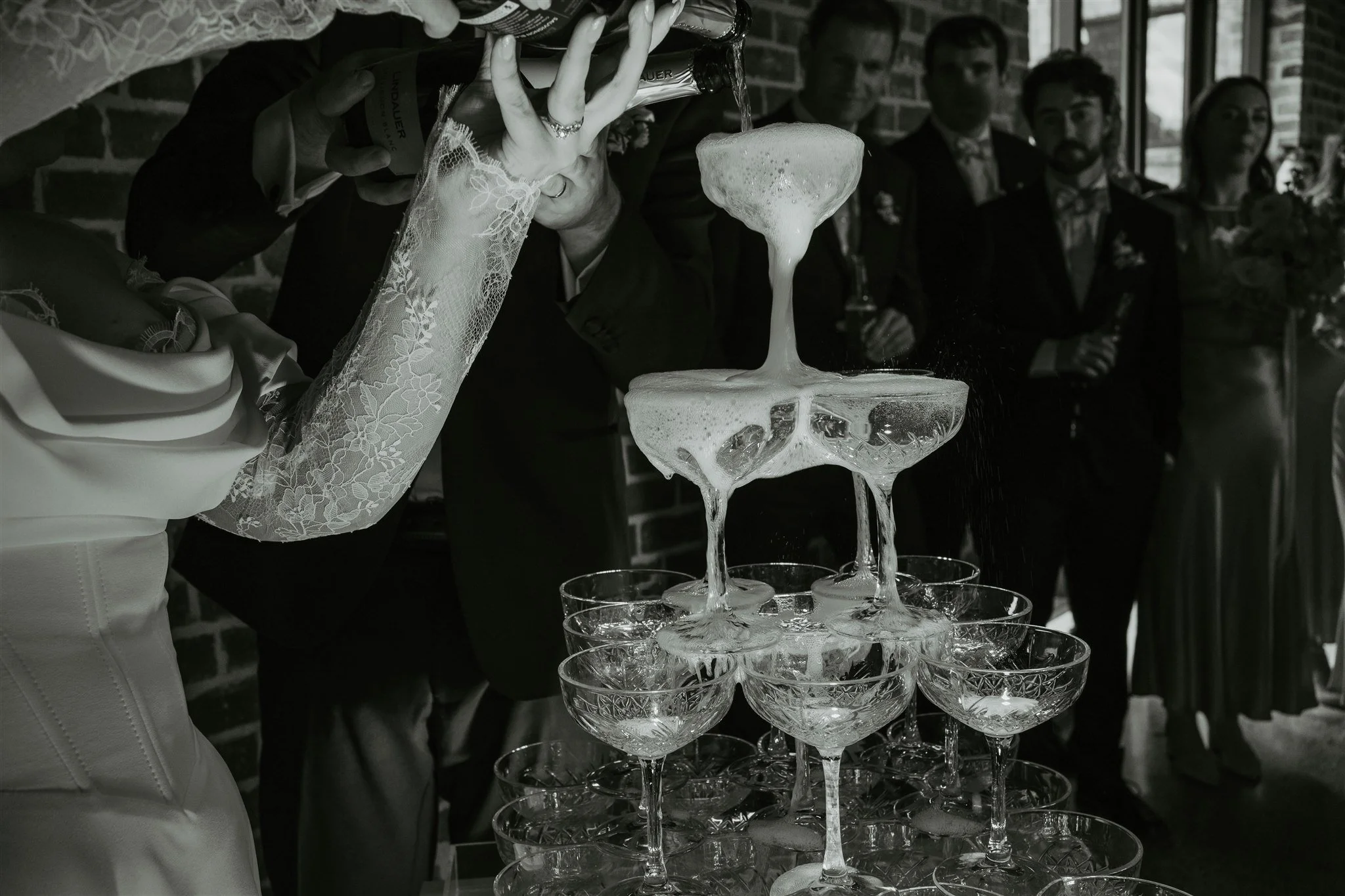
| Wedding Guides
How Many Hours of Wedding Photography Do You Really Need?
Choosing the right amount of coverage is not just about fitting in the key events. It is about giving your day enough space to breathe, so you can be present in it and know the moments that matter are being captured well.
Start With The Flow Of Your Day
One of the most common questions couples ask is how many hours of wedding photography they actually need.
It is such an important question, because the amount of coverage you choose shapes more than just your gallery. It also affects how your wedding day feels while you are living it.
Too little coverage can leave the day feeling rushed, with very little room for travel, delays, or simply taking things in. The right amount of coverage helps the day feel calm, realistic, and enjoyable. It gives you space to be present with your people, rather than feeling like everything has to happen at once.
The truth is, there is no single answer that suits everyone. The number of hours you need depends on your plans, your locations, your priorities, and how fully you want the story of your day told.
For most couples, the right fit usually sits somewhere between 6 and 10 hours.
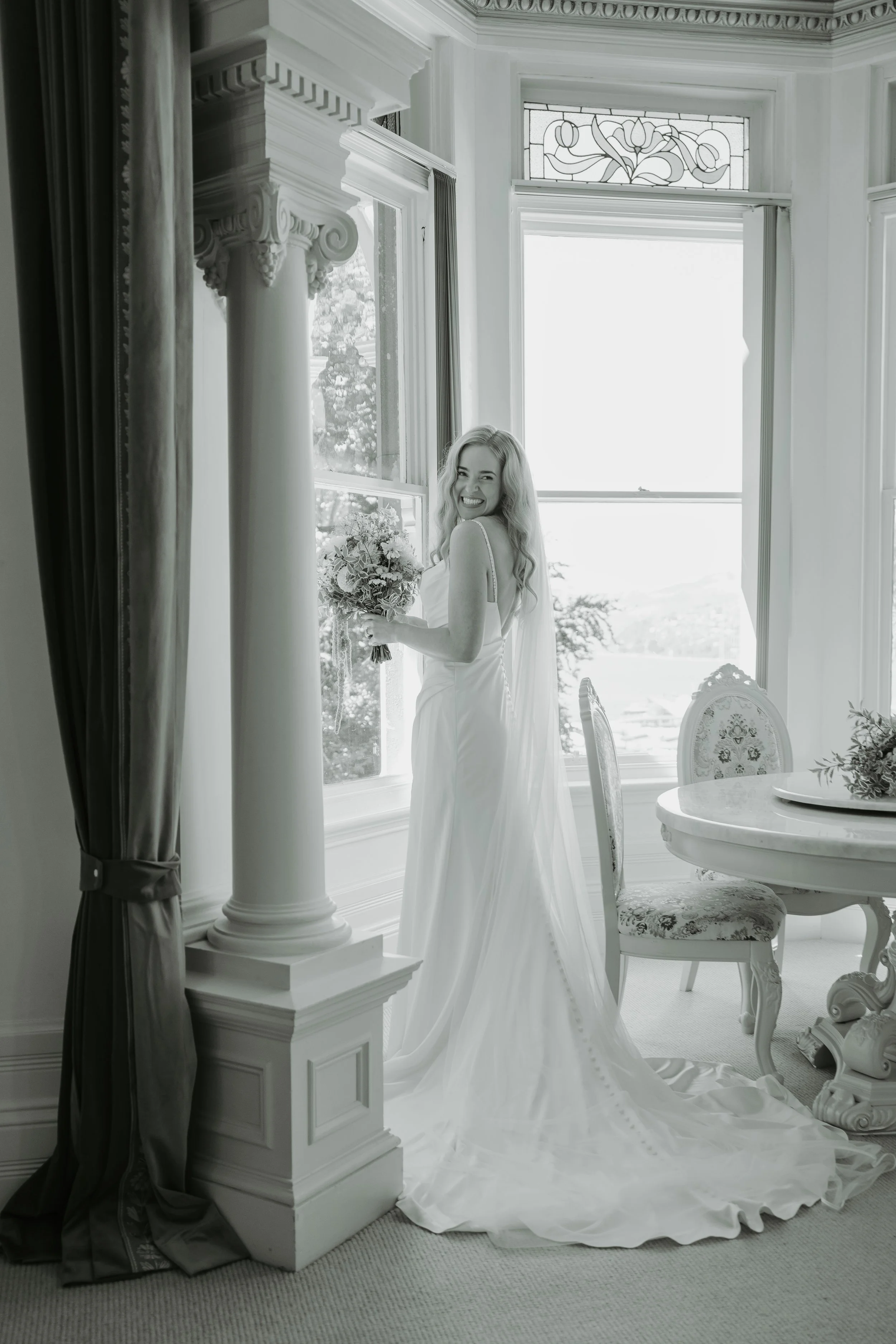
6 Hours Can Work Beautifully For Simpler Weddings
Six hours of coverage can be a really good option if your day is relatively straightforward and you are happy to focus on the key parts of the celebration.
This can work especially well for weddings that are mostly in one location, have very little travel involved, or are keeping things more intimate and streamlined.
Six hours is often enough for:
• the ceremony
• family photos
• bridal party photos
• couple portraits
• a small portion of the reception
In some cases, it may also allow for a little getting ready coverage if everything is happening close together and the timeline is very efficient.
That said, six hours does require the day to run fairly tightly. There is not a lot of spare room if things run behind, family photos take longer than expected, or you decide you would love some extra time later in the evening.
If your day has multiple locations, more moving parts, or you know you want a relaxed pace, six hours can start to feel a little squeezed.
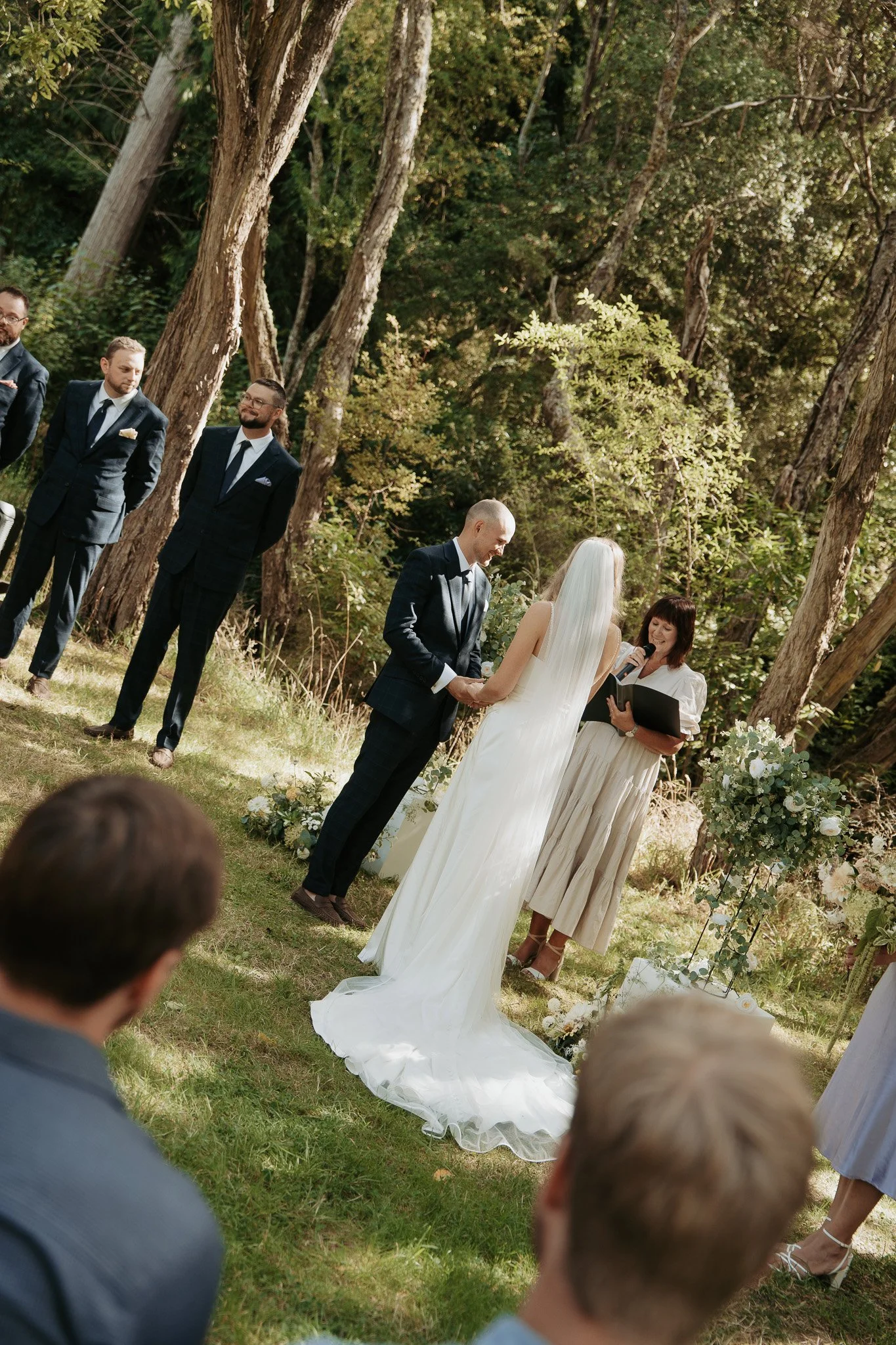
8 Hours Gives You More Room To Breathe
Eight hours is one of the most popular choices for a reason.
For many couples, this is the sweet spot. It gives enough time to document the day well, while also allowing more breathing room in the timeline.
Eight hours often allows for:
• part of the getting ready
• ceremony
• family photos
• bridal party photos
• couple portraits
• reception details
• speeches
• candid moments into the early evening
This option tends to feel much more comfortable than trying to fit everything into a shorter window. There is more space for the natural rhythm of the day, which means less pressure and more opportunity for genuine moments to unfold.
If you want a fuller story without necessarily needing every part of the evening covered, eight hours is often a very balanced and practical choice.
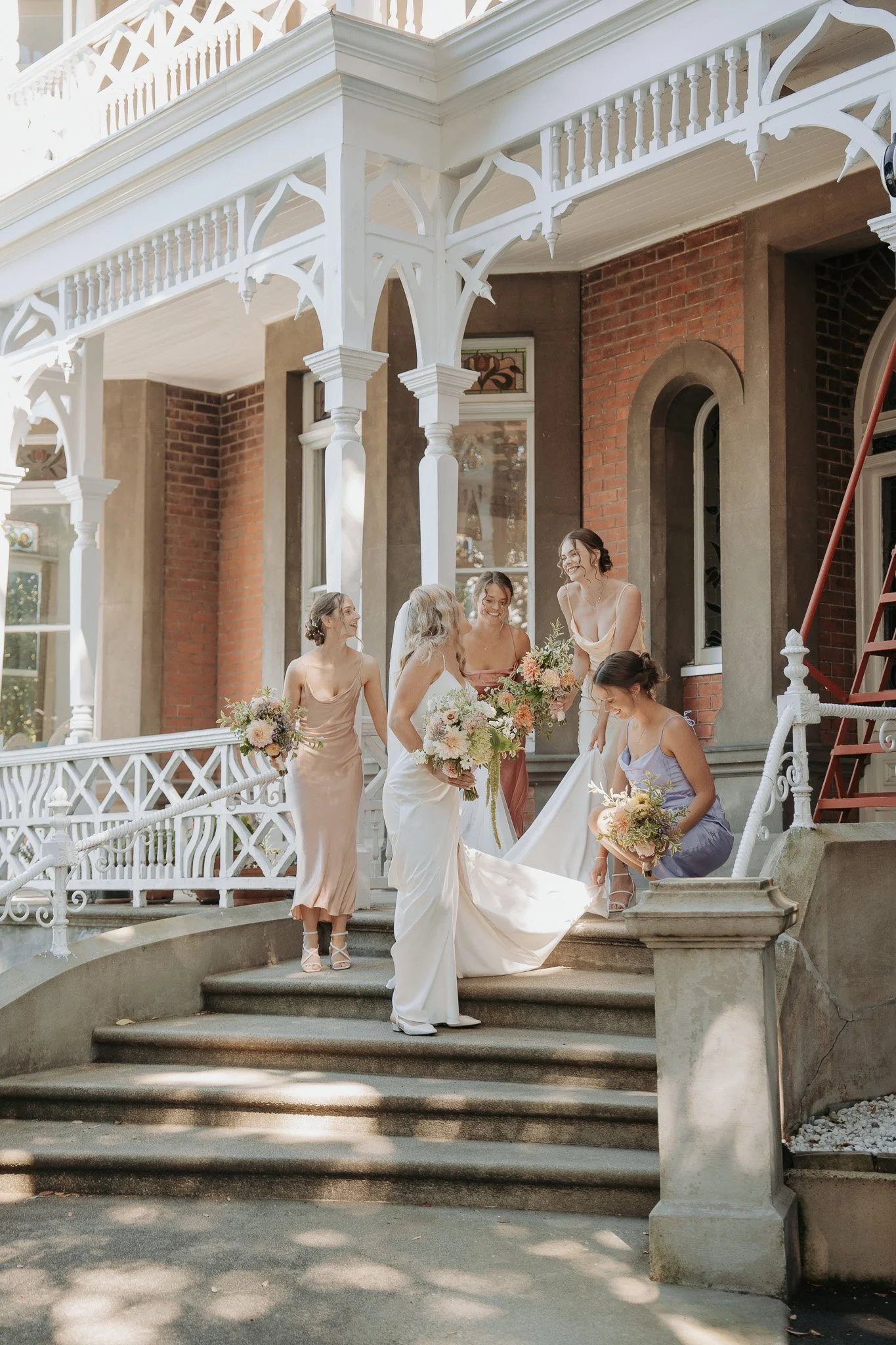
10 Hours Tells The Fuller Story
en hours is ideal for couples who really want the day documented from beginning to end.
This is usually the best fit if you want both getting ready covered, have multiple locations, are including plenty of reception moments, or simply want your gallery to reflect the full energy and story of the day.
Ten hours often allows for:
• getting ready coverage for both of you
• details and atmosphere
• ceremony
• family photos
• bridal party photos
• couple portraits
• reception styling
• speeches
• cake cutting
• first dance
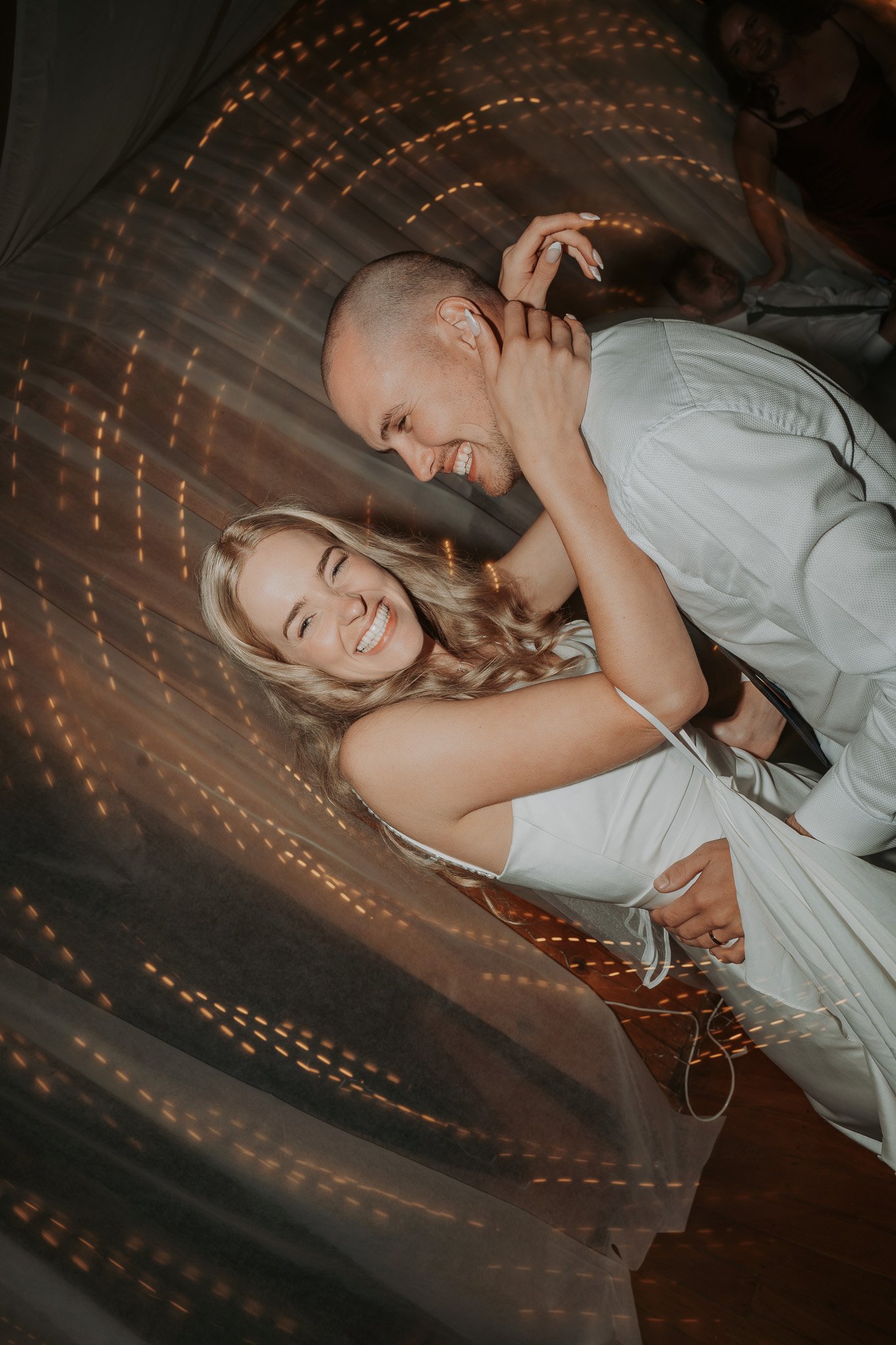
• dancing and evening coverage
This amount of coverage gives the day more space to unfold naturally. It means less rushing, more flexibility, and more of those in between moments that often become some of the most meaningful images in your gallery.
If storytelling matters deeply to you, and you want your photos to capture not just what happened but what it felt like, ten hours is often the best choice.
What Usually Adds More Time Than Couples Expect
One of the biggest things couples often underestimate is how quickly time disappears on a wedding day.
Even when the plan looks simple on paper, the reality of the day usually includes little delays, transitions, and moments that naturally take longer than expected.
A few things that regularly add time are:
• travelling between locations
• getting ready taking longer than planned
• putting dresses on and final touches
• the ceremony starting a little later than expected
• guests hugging and congratulating you afterwards
• gathering family members for photos
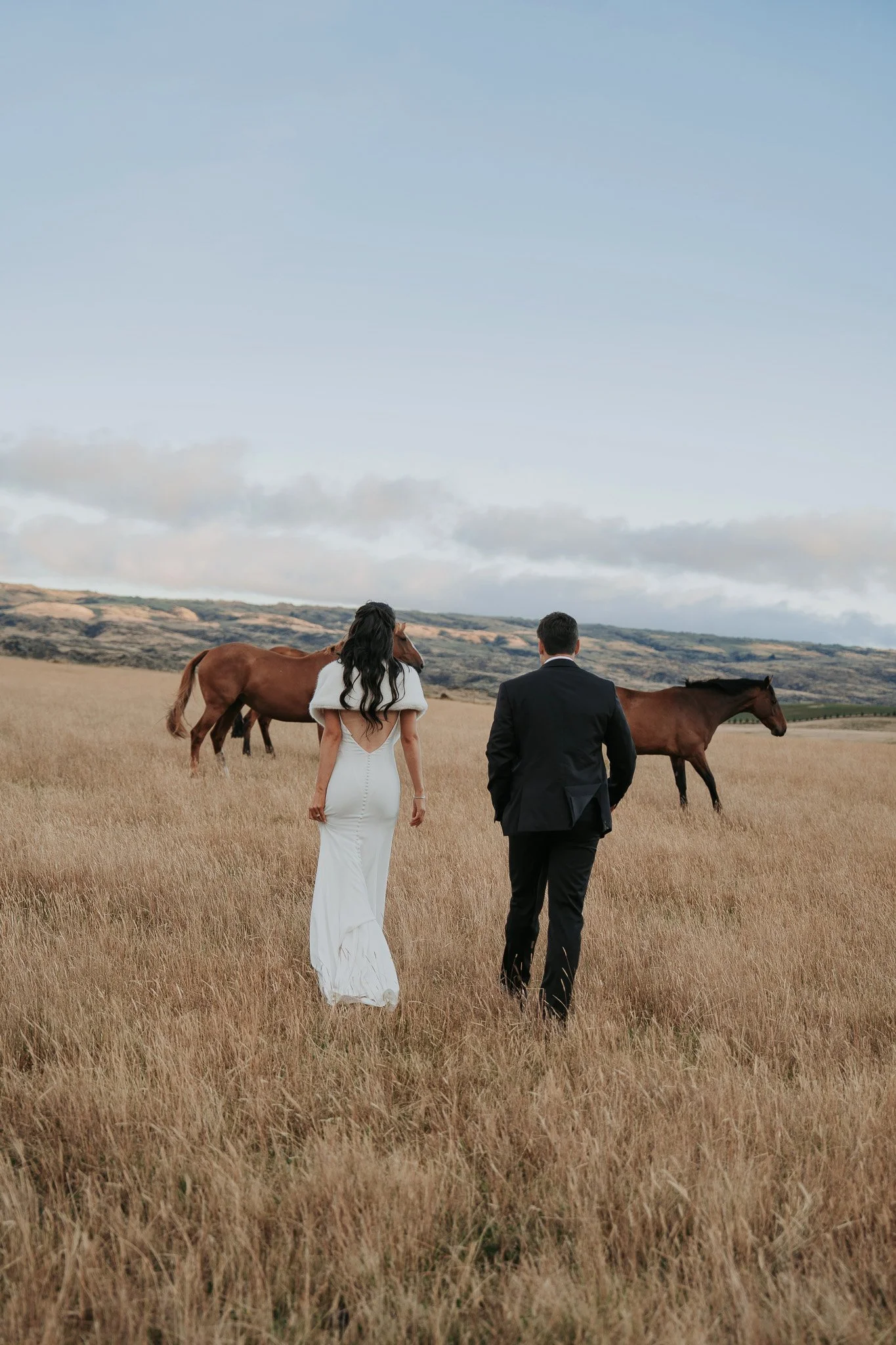
• moving between portrait locations
• weather changes
• stepping away later for sunset portraits
• speeches or formalities running over time
None of these things are unusual. In fact, they are all very normal. But they do affect how much photography coverage makes sense for your day.
This is why choosing your coverage is about more than just counting up the obvious events. It is about allowing enough room for the day to feel natural and enjoyable as it actually unfolds.
Simple Coverage Ideas That Work
-
Simple And Streamlined
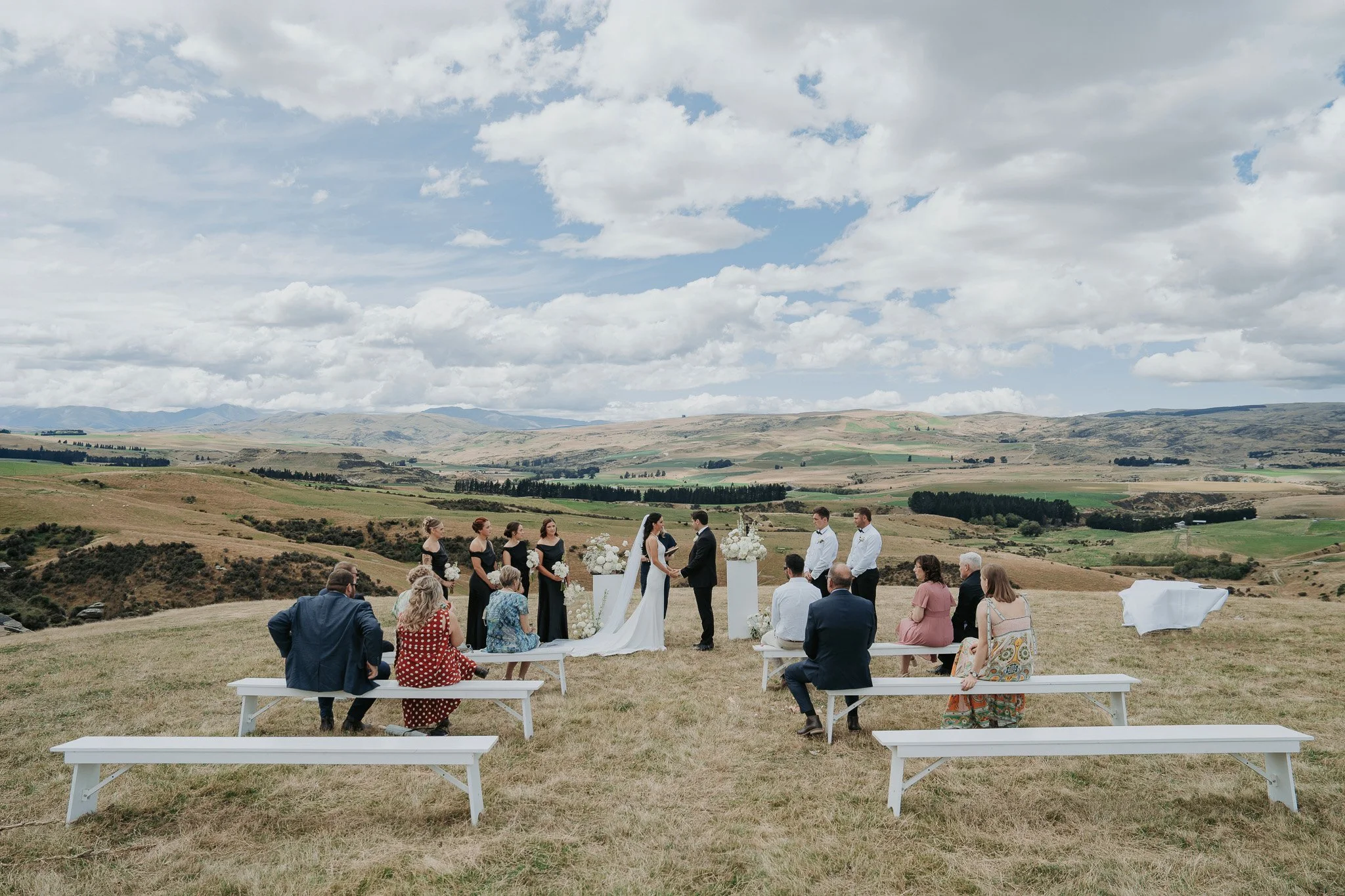
Perfect for smaller weddings, one location celebrations, or couples who mainly want the big key moments covered.
Often suits:
Ceremony, family photos, bridal party photos, couple portraits, and a little reception coverage.Usually works well with:
6 hours -
A Well Rounded Story
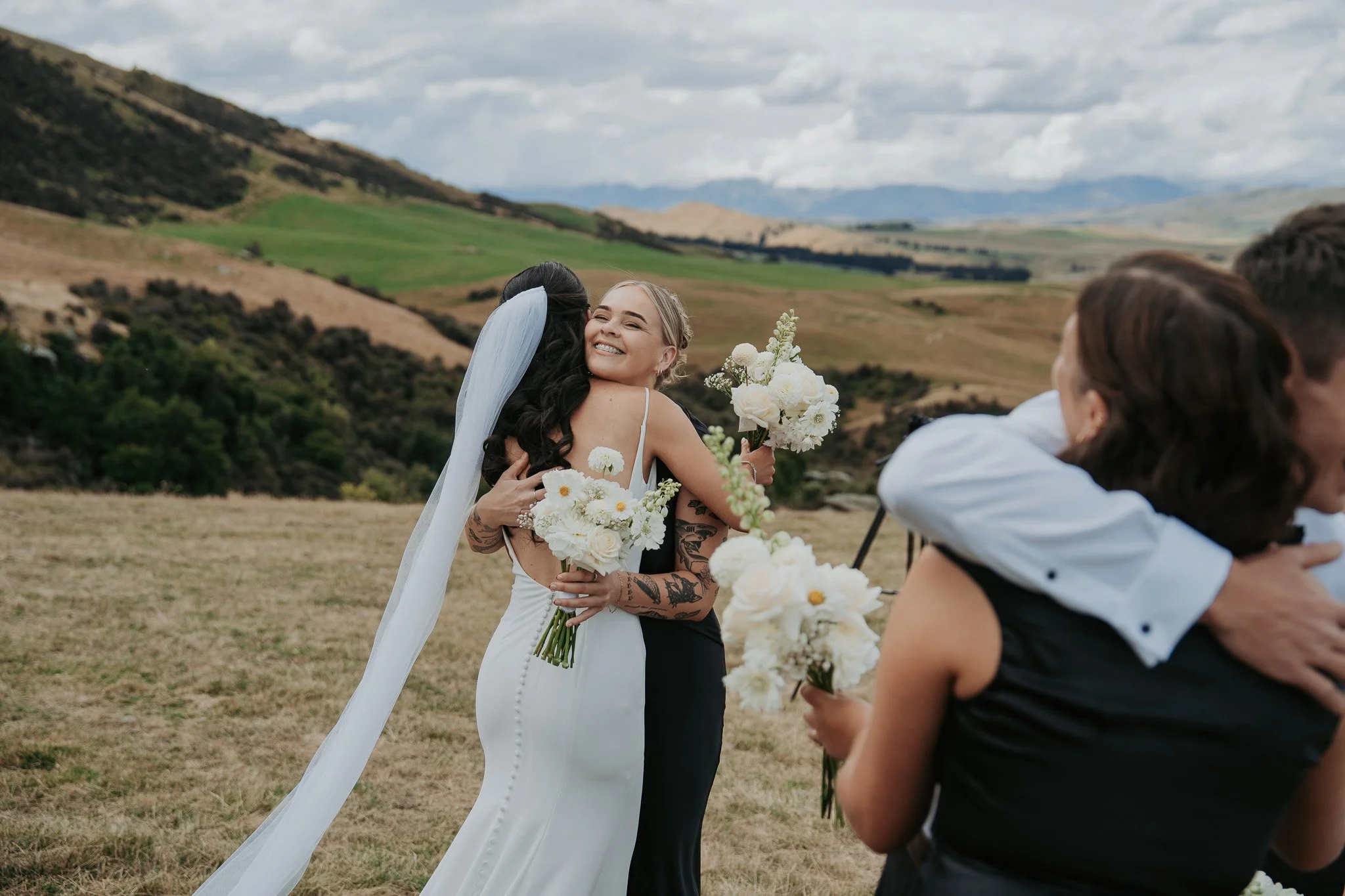
A lovely fit for couples who want a fuller story of the day without necessarily covering every part of the evening.
Often suits:
Part of the getting ready, ceremony, family photos, portraits, reception details, speeches, and some early evening moments.Usually works well with:
8 hours -
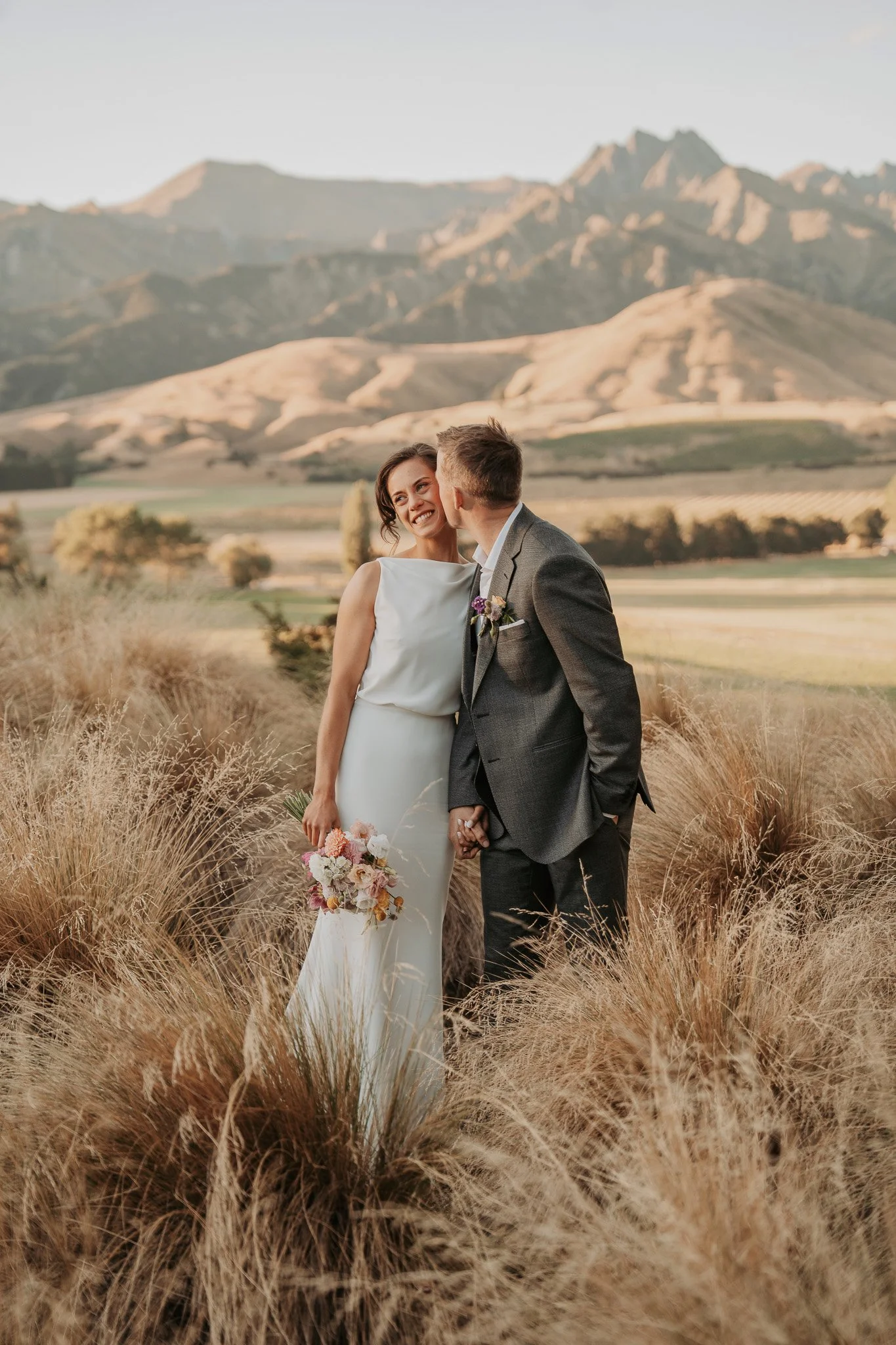
The Full Day Experience
Best for couples who want the complete story told, from the anticipation of the morning through to the energy of the evening.
Often suits:
Getting ready for both of you, ceremony, portraits, reception details, speeches, first dance, and dancing.Usually works well with:
10 hours
What To Avoid
When couples are trying to choose coverage, there are a few common mistakes that can make the day feel more rushed than it needs to.
Try to avoid:
• choosing your hours based only on the lowest number possible
• underestimating travel time between locations
• assuming family photos will only take a few minutes
• forgetting to allow time for guest interaction after the ceremony
• trying to fit too many priorities into too short a coverage window
• overlooking the parts of the day you may care most about later, like the atmosphere, the hugs, or the reception moments
A wedding day nearly always moves faster than people expect. Giving yourself enough room makes such a difference, both in the experience itself and in the story your gallery is able to hold afterwards.
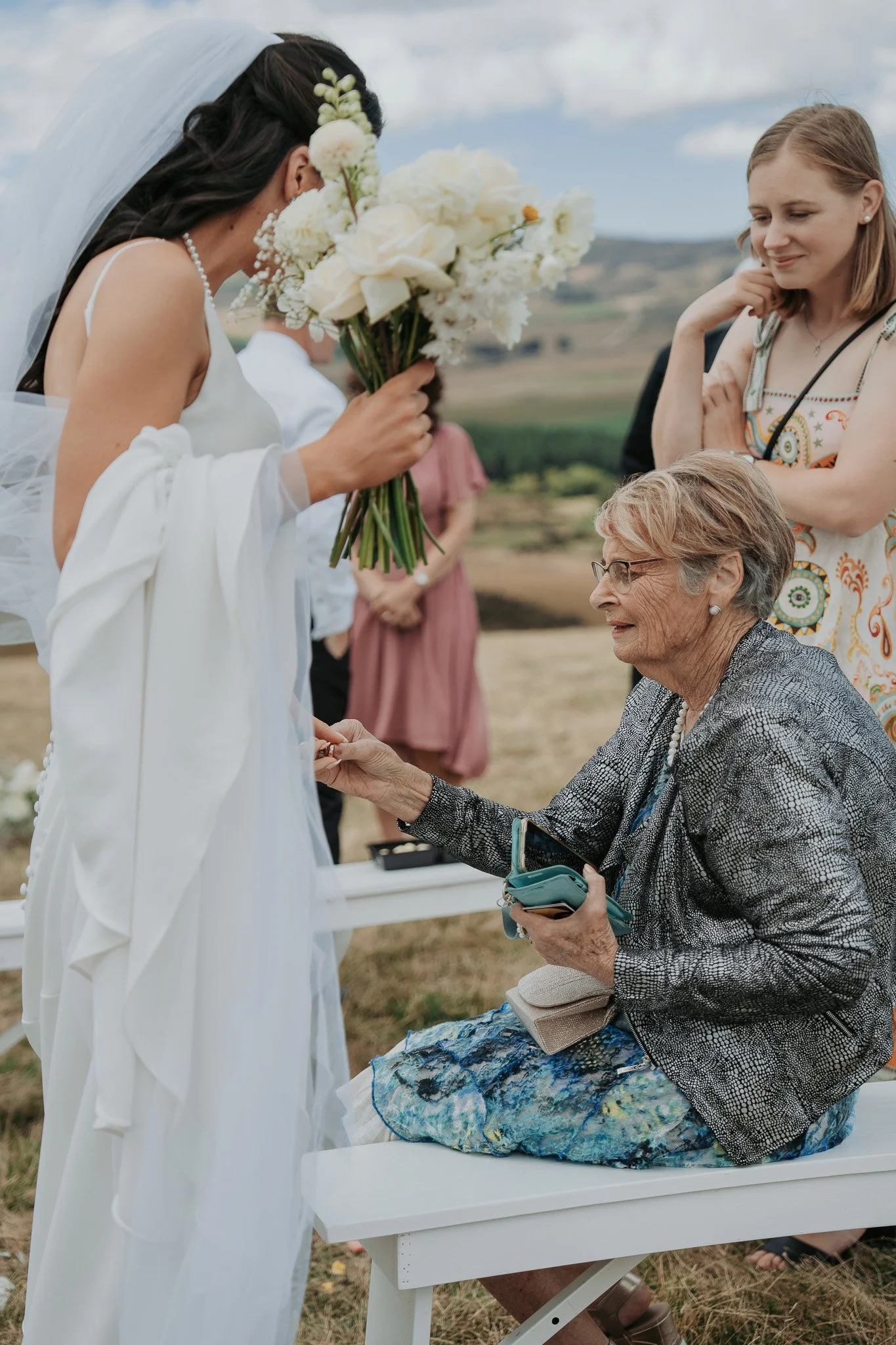
A Simple Tip That Makes Everything Easier
If you are torn between two coverage options, it is usually wiser to choose the one that gives your day a little more breathing room.
Couples rarely regret having enough time.
What they do sometimes regret is realising too late that the day moved faster than expected, and there was not enough space to capture everything in the relaxed way they had hoped.
The best galleries are not created from timelines that are packed tightly from one moment to the next. They come from wedding days that are allowed to be lived.
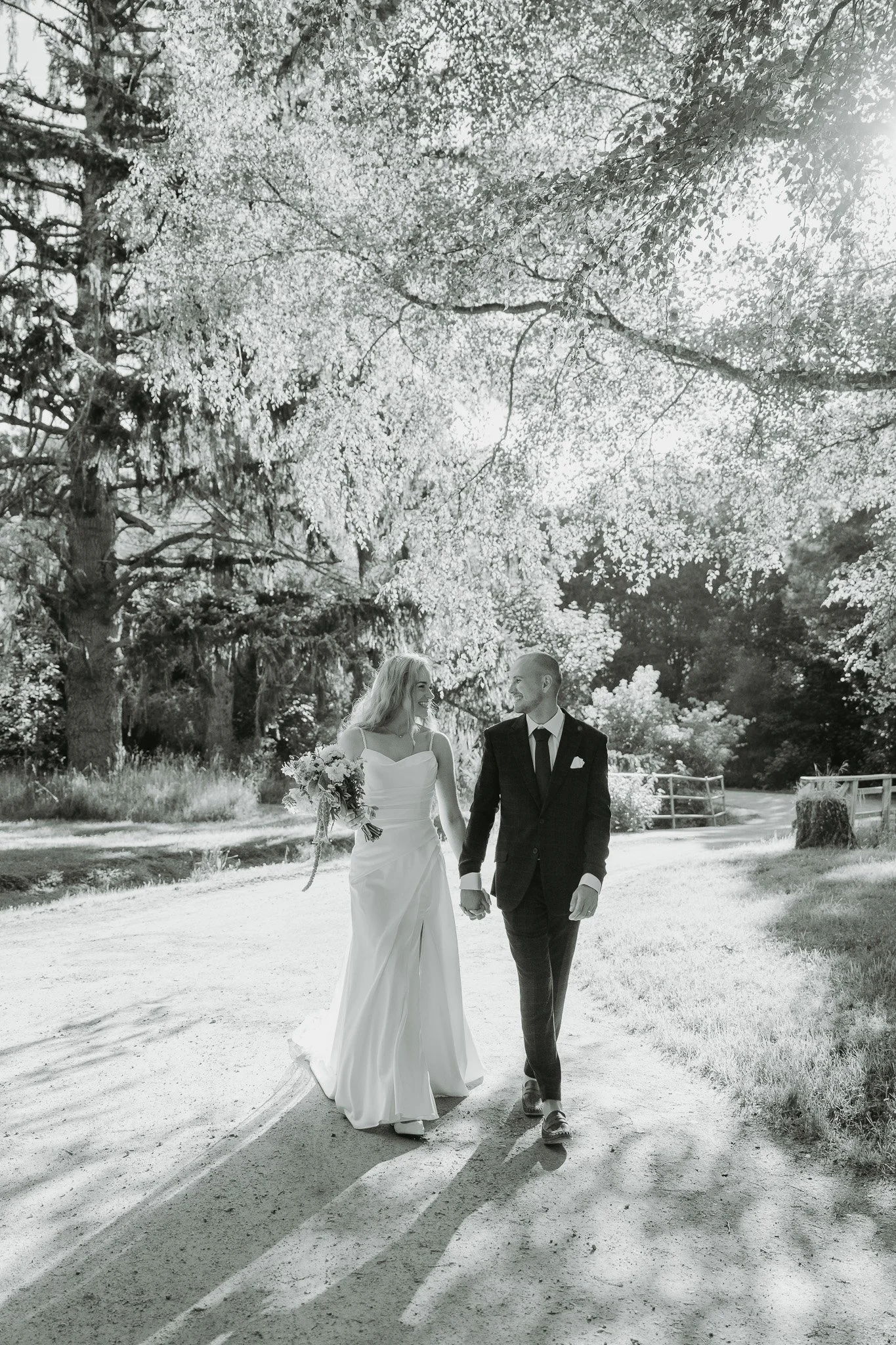
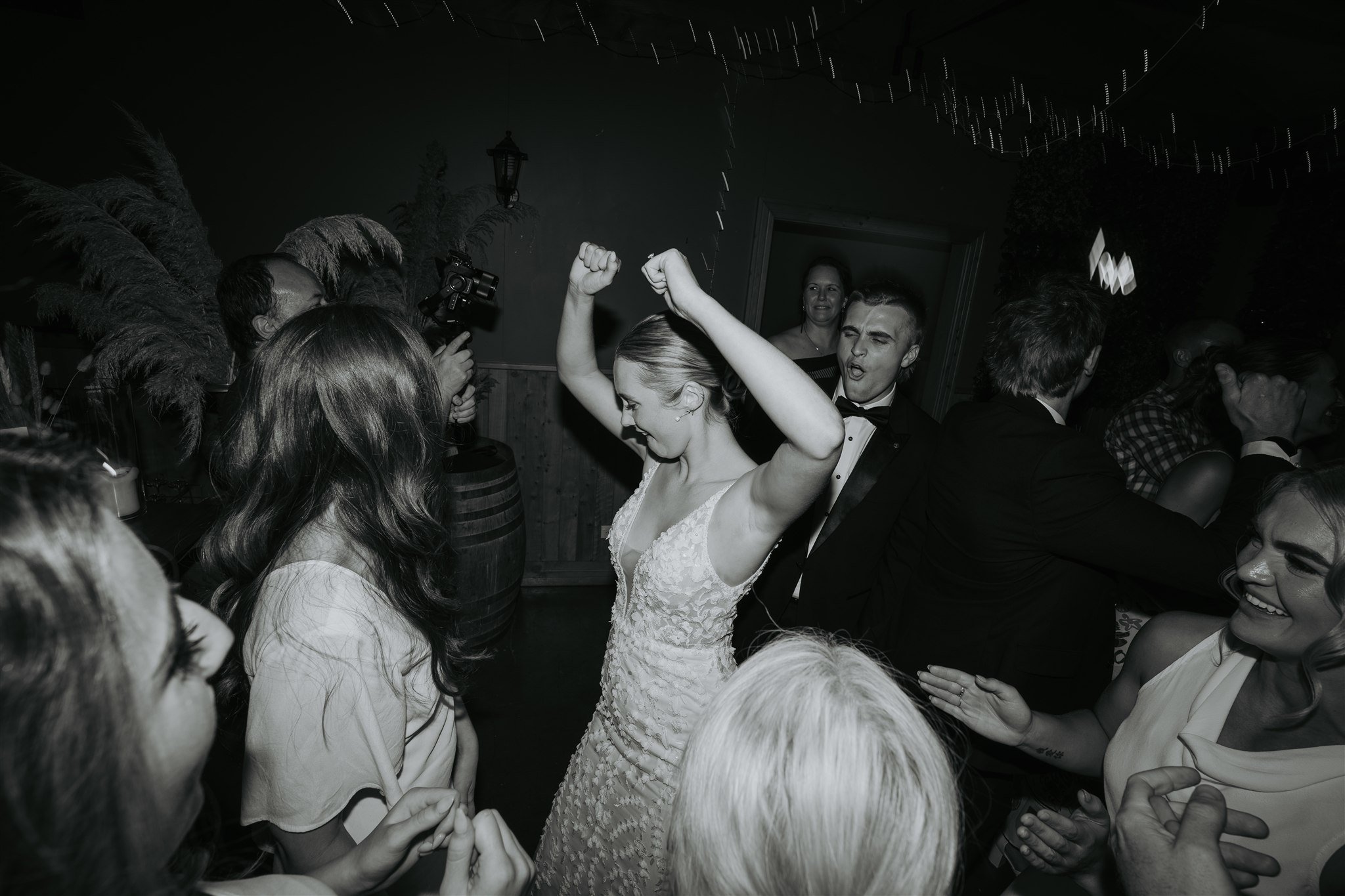
Need A Little Help?
You do not have to figure this out on your own.
One of the things I help my couples with in their timeline planning sessions is working through how the day will actually flow, what tends to take longer than expected, and what amount of coverage will best support the kind of wedding day experience they want.
So if you are unsure whether 6, 8, or 10 hours is the right fit, I can help walk you through it properly and make sure the choice feels clear, realistic, and tailored to your plans.